
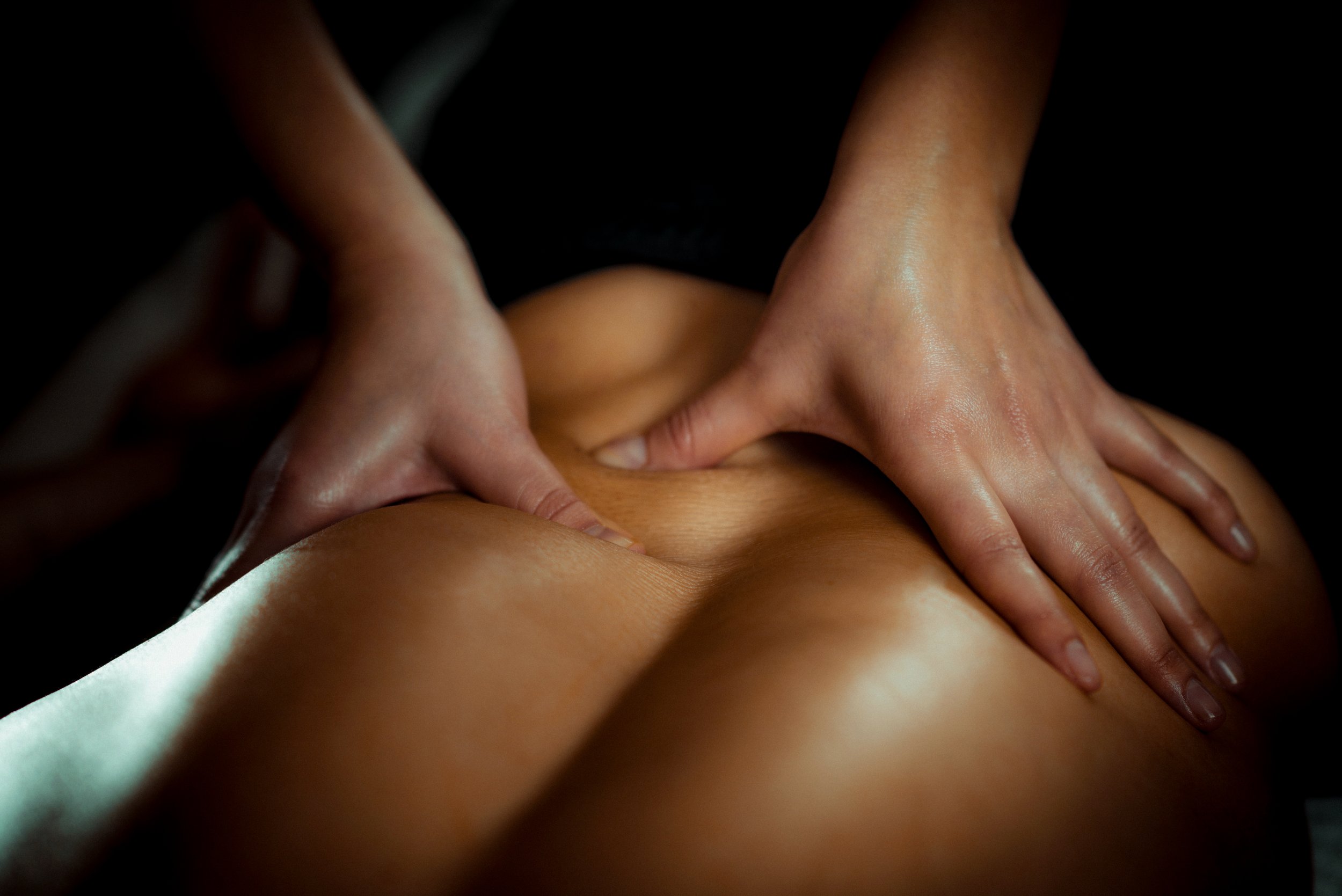
Registered massage therapy in Vancouver is one of the most clinically grounded treatments available for muscular pain, restricted movement, and soft tissue dysfunction. What sets it apart from general massage is the credential behind it: a Registered Massage Therapist (RMT) in British Columbia is a licensed healthcare professional who has completed extensive training in anatomy, physiology, pathology, and manual therapy, in accordance with the standards set by the BC College of Massage Therapists (CMTBC).
At Knead Foot & Body Massage, every session is delivered by a CMTBC-licensed RMT. That means your treatment is therapeutic—not just relaxing—and your receipt is accepted by most BC extended health benefit plans, ICBC, and WorkSafeBC. No physician referral is needed to book. Sessions are available at three Vancouver studios: Kitsilano at 2299 Burrard Street, Marpole at 637 Granville Street, and Mount Pleasant at 637 E 15th Avenue.
What Is Registered Massage Therapy?
Registered massage therapy is the treatment of muscles, connective tissues, tendons, and joints by a practitioner holding an active CMTBC license. In BC, the title 'Registered Massage Therapist' is protected — only practitioners who have met the college's education and examination requirements can use it. This regulatory framework is what makes RMT treatments insurable and what distinguishes them from unlicensed massage services.
RMT training in BC covers clinical assessment, treatment planning, anatomy and physiology, neurology, pathology, and hands-on techniques across soft-tissue and joint work. Most BC RMT programs involve 3,000 hours of supervised clinical education before licensure. The result is a practitioner who can assess your physical presentation, identify the contributing factors to your pain or restriction, design a treatment plan, and document their findings in a way that meets insurer and ICBC requirements.
Registered massage therapy is commonly sought to address: chronic neck, shoulder, and upper back tension from desk work and forward head posture; lower back pain and lumbar restriction; sports-related soft tissue injuries; repetitive strain injuries from occupational or training loads; prenatal and postpartum discomfort; and recovery from motor vehicle accident injuries under ICBC coverage.
RMT Training and Licensing in BC
To become a Registered Massage Therapist in British Columbia, practitioners must complete an approved massage therapy program, pass the CMTBC licensing examination, and maintain their registration annually through continuing education. The college sets and enforces practice standards, handles complaints, and publishes the public register of all licensed RMTs in the province. Verify your therapist's registration status directly on the CMTBC website. All Knead therapists hold active CMTBC licenses.
How Registered Massage Therapy Differs from Relaxation Massage
The difference between registered massage therapy and relaxation massage lies not in pressure, but in purpose and practitioner credentials. Here is how to tell them apart.
Relaxation Massage
Primary purpose
Stress relief and calming the nervous system
Practitioner credential
No regulated credential required in BC
Assessment
No formal assessment
Pressure
Light to moderate, flowing strokes
Insurance coverage
Not covered by most extended health plans
Receipt format
Spa or wellness receipt
Documentation
None required
Registered Massage Therapy (RMT)
Primary purpose
Clinical treatment of musculoskeletal dysfunction and pain
Practitioner credential
CMTBC license required -- protected professional title
Assessment
Intake assessment of tension patterns, mobility, and history
Pressure
Variable -- matched to treatment goals and tissue response
Insurance coverage
Covered by most BC extended health plans and ICBC
Receipt format
Clinical receipt accepted by insurers
Documentation
Clinical notes are maintained per CMTBC standards
Many clients at Kneadchoose registered massage therapy specifically because it accomplishes both outcomes: the session is therapeutic. It addresses the physical complaint that brought them in, and it also produces the nervous system rest that a relaxation session provides. The distinction matters for insurance purposes and for understanding what to expect from your treatment.
Conditions That Registered Massage Therapy Can Help Treat
Registered massage therapy is not a single technique—it is a scope of practice that encompasses a wide range of musculoskeletal conditions. Here is how RMT treatments address the most common presentations Knead therapists see across the three Vancouver studios.
Neck, Shoulder, and Upper Back Tension
Sustained forward head posture from screen work creates a predictable chain of dysfunction: the suboccipital muscles shorten, the cervical extensors overload, the upper trapezius and levator scapulae develop chronic trigger points, and the thoracic spine loses its natural curve. This pattern is the single most common presentation in Knead's Mount Pleasant and Kitsilano studios, which both draw heavily from the Broadway Corridor tech sector and the UBC academic community. Deep tissue massage and myofascial release are the primary RMT techniques for this pattern, with treatment focused on restoring cervical mobility and deactivating the trigger points that refer pain to the head and arms.
Lower Back Pain and Lumbar Restriction
Lower back pain is the most common reason people book their first RMT appointment. Muscle guarding around the lumbar spine, hip flexor tightness from prolonged sitting, and gluteal inhibition from sedentary load all contribute to the chronic lower back presentation that most clients describe as 'always there, just at different levels.' RMT treatment addresses the muscular and connective tissue components of this pattern -- releasing the quadratus lumborum, psoas, and posterior hip musculature that contribute to lumbar compression -- while identifying the postural habits and movement patterns that sustain it.
Sports Injuries and Athletic Recovery
Kitsilano's beach volleyball players, Kits Pool swimmers, Burrard Bridge cyclists, and Trout Lake runners are among the most consistent users of registered massage therapy at Knead. The evidence base for massage therapy in sports recovery includes reduced delayed-onset muscle soreness, improved range of motion after training, and accelerated clearance of metabolic waste products from heavily loaded tissue. Sports massage at Knead is structured around training cycles—pre-event preparation that reduces injury risk, post-event recovery that accelerates adaptation, and maintenance sessions that address structural restrictions that accumulate over competitive seasons.
Repetitive Strain and Occupational Injuries
Repetitive strain injuries develop when the same movement pattern is repeated often enough and with sufficient load that the tissue's capacity to recover is exceeded. Keyboard workers develop an overload of the forearm flexors and extensors. Trades workers experience shoulder impingement and lumbar strain due to asymmetrical loading. Service workers develop plantar fascia and calf tension from prolonged standing on hard surfaces. RMT treatment for repetitive strain focuses on the specific muscles and tendons involved, the movement pattern that loads them, and the compensatory patterns the body has developed around the pain. For occupational injuries, Knead's CMTBC receipts support WorkSafeBC claims where applicable.
Prenatal and Postpartum Care
Pregnancy produces a specific and progressive set of physical demands: lower back pain from lumbar lordosis, hip and sacroiliac discomfort from ligamentous laxity, edema in the lower limbs, and thoracic restriction from breast weight and postural compensation. Prenatal massage at Knead is delivered by RMTs trained in trimester-appropriate positioning—side-lying with support in the second and third trimesters—and in adapted pressure for the areas of greatest sensitivity. Postpartum sessions address the upper back and shoulder loading that develops with infant feeding and carrying, as well as the abdominal and pelvic floor recovery process following birth.
ICBC and Motor Vehicle Accident Recovery
Motor vehicle accidents produce a predictable cluster of soft tissue injuries: cervical acceleration-deceleration (whiplash), thoracic strain from seatbelt loading, and lumbar involvement from the seated impact position. Knead accepts ICBC claims directly at all three Vancouver studios. Our therapists provide CMTBC-standard clinical documentation that meets ICBC's reporting requirements, and direct billing handles the claims process, with no out-of-pocket payment at the time of service. If you are managing an ICBC claim, contact the studio closest to you to confirm your eligibility and start treatment.
Who Should Consider Registered Massage Therapy?
Registered massage therapy is appropriate for a wide range of physical presentations and life stages. Here is a direct guide to whether RMT is the right starting point for your situation.
You have chronic neck, shoulder, or back pain that does not resolve with rest. This is the most common starting point for RMT, and the one where the clinical assessment component of the appointment makes the most difference -- understanding why the pattern persists is as important as treating it.
You are physically active and want to train longer, recover faster, or reduce the frequency of injuries. Sports massage delivered by an RMT is insurable, documentable, and structurally different from a generic post-workout rubdown.
You are pregnant and managing lower back, hip, or edema symptoms. Prenatal RMT is safe across all three trimesters when delivered by a trained therapist, and most extended health plans cover it.
You have an ICBC claim from a motor vehicle accident. Massage therapy is one of the most commonly approved treatments under ICBC's Active Recovery program. Starting treatment promptly after an accident produces better outcomes than waiting.
You want to use your extended health benefits before they reset. RMT sessions at Knead generate insurance-ready receipts that most BC extended health plans accept directly.
You are managing the physical effects of a demanding job -- desk work, trades, service industry, and healthcare. Monthly RMT maintenance prevents the cumulative restriction patterns that become chronic pain over the years of occupational loading.
Insurance Coverage and Direct Billing for RMT
Most BC extended health benefit plans cover registered massage therapy without a physician referral. Knead offers direct billing at all three Vancouver studios for the major BC insurers: Pacific Blue Cross, Sun Life, Manulife, and Green Shield Canada. At the time of your appointment, you pay only your deductible or copay—if any. Our front desk team handles the claim submission.
ICBC coverage is also available at all three studios for soft-tissue injuries resulting from motor vehicle accidents. WorkSafeBC claims can be supported with CMTBC-standard clinical documentation. If you are unsure whether your specific plan covers RMT, your insurer can confirm in minutes by phone or through their member portal. Most BC group benefits plans include massage therapy coverage as a standard benefit.
Sessions at Knead start at $47 for 25 minutes and are available in 50, 80, and 110-minute blocks. Membership pricing starts at $59.50 per month for clients who want to build a consistent treatment schedule.
Registered Massage Therapy by Vancouver Location
Knead's three Vancouver studios each serve distinct neighbourhoods and client communities. Find the location closest to you for local transit information, studio-specific details, and neighbourhood-level service guides.
Kitsilano - 2299 Burrard Street
Our Kitsilano studio is at 2299 Burrard Street at the south end of the Burrard Bridge -- directly in the neighbourhood, a short walk from Kits Beach and close to the yoga studios and active community on W 4th Avenue. Kitsilano RMT sessions are particularly in demand for sports recovery (cyclists, swimmers, volleyball players), Thai massage for flexibility work, and relaxation massage for UBC commuters and W 4th Avenue workers. See registered massage therapy in Kitsilano. Explore the Kitsilano neighbourhood guide.
Marpole - 637 Granville Street
Our Marpole studio is at 637 Granville Street in South Vancouver, on the Canada Line corridor between Marine Drive and Langara-49th Avenue Stations. Marpole RMT sessions are frequently booked by Canada Line commuters, South Vancouver working families, and clients with ICBC motor vehicle accident claims. Foot reflexology is the highest-booked service at the Granville Street studio. See registered massage therapy in Marpole. Explore the Marpole neighbourhood guide.
Mount Pleasant - 637 E 15th Avenue, East Vancouver
Our Mount Pleasant studio is at 637 E 15th Avenue at Main Street in East Vancouver -- steps from the 99 B-Line and accessible by cycling the Ontario Greenway. Mount Pleasant serves the Broadway Corridor tech sector, Commercial Drive residents, Riley Park families, and East Vancouver athletes who use Trout Lake and the BC Parkway. Deep tissue massage and sports massage are the most common RMT bookings at this location. See registered massage therapy in East Vancouver. Explore the East Vancouver neighbourhood guide.
For a complete city-wide guide to massage services across Vancouver, visit our Vancouver BC massage guide.
Benefits of Regular Registered Massage Therapy
Many clients arrive at Knead for the first time with a specific complaint—a stiff neck, a sore lower back, a running injury. Over time, the pattern shifts. Regular registered massage therapy - monthly or bi-weekly - becomes part of how they maintain their physical capacity rather than a rescue treatment for when things have gone too far.
Here is what that looks like in practice. Chronic tension patterns that used to require 80-minute sessions to address start resolving in 50 minutes because the tissue is not starting from maximum restriction. The interval between pain episodes is increasing. Sleep quality improves as the baseline nervous system load decreases. Flexibility increases as the structural restrictions that limit the range of motion are gradually worked through. Athletic performance holds steady over a longer training season because the body absorbs training load rather than accumulating it as a structural deficit.
Reduced baseline muscle tension -- particularly in the neck, shoulders, and lower back
Improved circulation in the treated tissue and downstream from the treatment area
Increased range of motion at restricted joints and across tight fascial planes
Reduced cortisol and improved parasympathetic nervous system activation following treatment
Better sleep quality, particularly for clients with chronic pain patterns that disrupt sleep
Longer training tolerance for athletes -- more sessions, more volume, less injury risk
The evidence base for these outcomes varies by condition and outcome measure. Still, the clinical reality at Knead is consistent: clients who book regularly maintain their physical capacity at a higher level than those who book only when something hurts.
Frequently Asked Questions About Registered Massage Therapy
What is registered massage therapy?
Registered massage therapy is a therapeutic treatment of the muscles, soft tissues, and joints by a practitioner who holds an active license from the BC College of Massage Therapists (CMTBC). In BC, the title 'Registered Massage Therapist' is protected and can only be used by practitioners who have completed the required training and licensing examination. RMT treatments are therapeutic, assessable against a physical complaint, and accepted by most extended health benefit plans and ICBC.
Do I need a doctor's referral to book an RMT in Vancouver?
No. In British Columbia, you can book directly with a Registered Massage Therapist without a physician referral. Some extended health plans require a referral for reimbursement—check your plan documentation or call your insurer before your first appointment. For ICBC motor vehicle accident claims, a referral is not required to begin treatment, but you should notify ICBC that you are seeking massage therapy as part of your recovery.
How long is a typical RMT session?
At Knead, RMT sessions are available in 25-, 50-, 80-, and 110-minute blocks. Most clients book 50-minute sessions for maintenance and targeted treatment of a single region. Clients managing multiple areas of complaint, post-surgical recovery, or ICBC motor vehicle accident injuries often prefer 80-minute sessions to allow adequate treatment time across all affected areas.
Can massage therapy help with chronic pain?
Yes, and the mechanism matters. Registered massage therapy for chronic pain works through a combination of direct tissue effects -- reducing muscular hypertonicity, breaking down adhesions, improving local circulation -- and neurological effects, including reducing central sensitization and modulating the pain signals that chronic pain patients experience even in the absence of acute tissue damage. For chronic pain, regular RMT scheduled as a maintenance treatment rather than a crisis intervention produces the most consistent results.
Does insurance cover registered massage therapy in BC?
Most BC extended health benefit plans cover registered massage therapy delivered by a CMTBC-licensed RMT. Knead offers direct billing at all three Vancouver studios for Pacific Blue Cross, Sun Life, Manulife, and Green Shield Canada. ICBC coverage is available for soft-tissue injuries from motor vehicle accidents. Check with your insurer for your specific annual limit and copay requirements.
How often should I get registered massage therapy?
Frequency depends on what you are treating. For acute injury or post-surgical recovery, bi-weekly sessions are common in the early stages. For chronic pain management, monthly sessions are a practical maintenance schedule for most clients. For athletic recovery, timing sessions around training cycles -- lighter work before competition, recovery focus after -- produces the most consistent performance benefit. At your first Knead appointment, your therapist will make a specific recommendation based on your presentation.
What is the difference between an RMT and a massage therapist who is not registered?
In BC, 'massage therapist' without the Registered designation is not a protected title. Anyone can call themselves a massage therapist. A Registered Massage Therapist has completed a CMTBC-approved program, passed a licensing examination, maintains annual registration, carries professional liability insurance, and is subject to the college's code of ethics and disciplinary process. Only RMT sessions generate receipts accepted by extended health insurers and ICBC. All Knead therapists hold active CMTBC registrations.
Book a Registered Massage Therapy Appointment in Vancouver
Whether you are managing chronic pain, recovering from a sports injury, pregnant and dealing with lower back strain, working through an ICBC claim, or simply ready to use your extended health benefits before they reset -- registered massage therapy at Knead addresses the physical situation you are in right now, not a generic wellness protocol.
Three Vancouver studios. Sessions are 25 minutes. Direct billing for most extended health plans. ICBC accepted—membership is $59.50 per month.
Kitsilano -- 2299 Burrard Street - book online
Marpole -- 637 Granville Street - book online
Mount Pleasant -- 637 E 15th Avenue - book online
Explore Related Services at Knead
Deep Tissue Massage -- structural work for chronic tension and restricted movement
Sports Massage -- training cycle support and athletic recovery
Relaxation Massage -- RMT-delivered Swedish massage, insurable under most extended health plans