
How a Registered Massage Therapist Can Support Your Wellness
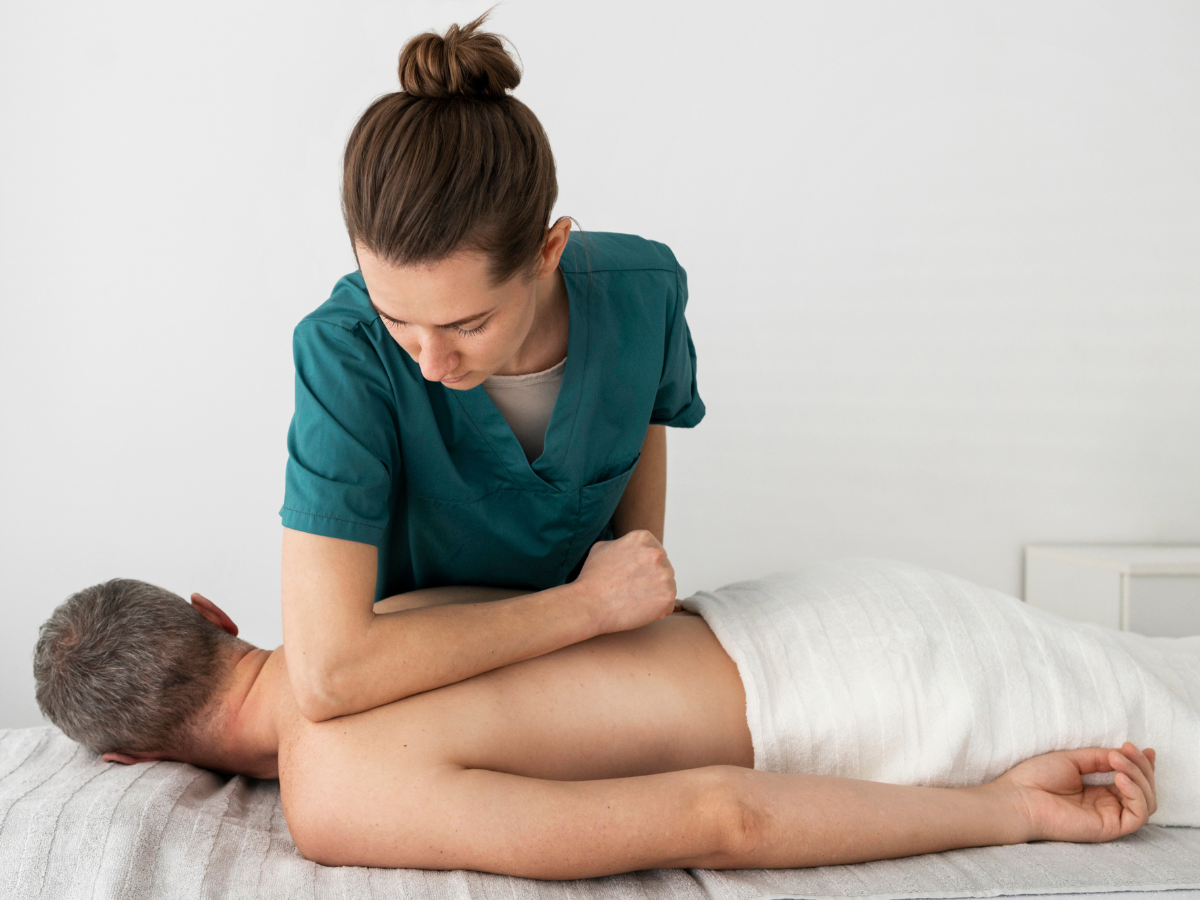
Massage therapy can be a practical part of a healthy self-care routine when it is provided by a qualified professional and matched to our individual needs. A registered massage therapist can assess areas of discomfort, work with soft tissues, and provide massage techniques based on a client’s goals and circumstances. Understanding what massage therapy involves can help us make informed choices about when it may be appropriate and what we can reasonably expect from a session.
At Knead Foot & Body Massage Studio Marpole, we believe that good massage care begins with listening. Every person has different activities, physical demands, preferences, and areas of tension. By taking time to understand these factors, we can create a more comfortable and thoughtful experience.
Choosing a Registered Massage Therapist for Your Needs
Choosing the right massage professional is about more than finding a convenient appointment. We should consider qualifications, communication, treatment approach, cleanliness, and whether the practitioner takes time to understand our concerns.
A qualified massage therapist should be able to explain the general purpose of the techniques being used and communicate clearly throughout the appointment. We should also feel comfortable asking questions before treatment begins.
Our needs can vary from one appointment to another. Someone who spends long hours at a desk may have different areas of tension than someone who regularly participates in sports or performs physically demanding work. A personalized approach allows massage care to be considered within the context of our daily activities.
Understanding What Massage Therapy Involves
Massage therapy involves the hands-on manipulation of soft tissues such as muscles and connective tissues. Depending on the treatment plan and the practitioner’s assessment, different techniques may be used to address areas of tension or discomfort.
Pressure can vary significantly. Some people prefer a lighter touch, while others may request firmer pressure. However, stronger pressure is not automatically better. Effective treatment should remain within a comfortable and appropriate range.
During an appointment, communication matters. We should tell our therapist if pressure feels uncomfortable, if a particular area is sensitive, or if we would prefer an adjustment. Good communication helps create a treatment experience that respects our comfort.
What Can Massage Therapy Help With?
People seek massage therapy for many different reasons. Some want to relax after a demanding week, while others are looking for support with muscle tension associated with work, exercise, or everyday activities.
Massage may help with temporary muscle soreness, general tension, and relaxation. Some people also include massage as part of their broader approach to physical well-being.
It is important, however, to keep expectations realistic. Massage therapy is not a substitute for medical diagnosis or treatment when we have a serious, persistent, or unexplained health concern. If pain is severe, worsening, associated with an injury, or accompanied by other concerning symptoms, seeking appropriate medical advice is important.
Why Communication Matters During Treatment
A massage session should be a two-way conversation. Before treatment, we can discuss areas that feel tense or uncomfortable, relevant activities, and what we hope to get from the appointment.
We should also share information that could affect the treatment approach. This may include a recent injury, changes in physical activity, or sensitivity in a particular area. When appropriate, a practitioner may recommend modifying or postponing certain techniques.
During the session, we should never feel that we have to tolerate unnecessary discomfort. Telling our therapist when something feels too intense allows them to adjust the pressure, technique, or positioning.
This simple communication can make the experience more comfortable and helps keep the treatment focused on our individual needs.
Preparing for a Massage Appointment
A little preparation can help us feel more comfortable before a massage appointment. We can arrive with enough time to settle in rather than rushing immediately into treatment.
Wearing comfortable clothing before and after an appointment can also make the experience easier. Depending on the treatment, we may need to change into appropriate attire, and the practitioner should explain what is required while respecting our privacy and comfort.
It is useful to think about what we would like to discuss before the session. For example, we might identify areas that have been feeling tight or explain activities that regularly place physical demands on our bodies.
We can also mention whether we prefer lighter or firmer pressure. While the practitioner will determine appropriate techniques, our preferences are an important part of the conversation.
What We Can Expect During a Session
A massage appointment generally begins with a discussion about our needs and relevant health information. This allows the practitioner to understand why we are seeking treatment and identify areas that may require particular attention.
The treatment itself may involve several techniques depending on the practitioner’s assessment and our goals. We may experience gentle or firmer pressure, rhythmic movements, focused work on specific areas, or broader techniques involving larger muscle groups.
The environment also matters. A clean, comfortable, and professional setting can help us feel at ease before and during treatment.
After the session, we can discuss how we feel and whether there are any recommendations for future appointments. We should remember that everyone's response to massage can differ. One person may feel relaxed immediately, while another may notice changes in muscle comfort over the following hours.
Massage and Our Everyday Wellness
Our physical well-being is influenced by many aspects of daily life. Work habits, physical activity, sleep, stress, posture, and recreational activities can all affect how our bodies feel.
Massage can be one component of a broader wellness routine. We can pair professional massage care with regular movement, appropriate exercise, sufficient rest, hydration, and healthy daily habits.
For people who sit for long periods, taking regular movement breaks may be helpful. Those who participate in physical activities can also benefit from appropriate warm-ups, recovery practices, and gradual changes in training intensity.
Massage should therefore be viewed as part of a wider approach rather than a replacement for healthy habits. When we combine professional care with practical daily routines, we can take a more balanced approach to maintaining physical comfort.
When We Should Seek Additional Professional Advice
Massage is appropriate for many people, but it is not suitable in every situation. Certain injuries, illnesses, medications, or medical circumstances may require additional consideration before treatment.
If we have recently experienced a significant injury, have unexplained or severe pain, or have been advised by a healthcare professional to avoid certain activities, we should discuss the situation with an appropriate healthcare provider.
We should also tell the massage therapist about relevant circumstances before treatment. Having accurate information allows the practitioner to determine whether modifications may be appropriate or whether massage should be postponed.
This does not mean we need to diagnose ourselves. Instead, we should provide honest information and allow qualified professionals to determine what is suitable within their area of practice.
Building a Comfortable Long-Term Approach
Massage does not have to be viewed only as something we book when discomfort becomes noticeable. Some people choose to include massage appointments within a regular wellness routine, while others prefer occasional sessions based on their needs.
The right frequency depends on the individual. Our activity levels, goals, budget, schedule, and response to treatment can all influence how often we choose to receive massage.
Rather than following a fixed schedule simply because someone else does, we can pay attention to our own needs and discuss appropriate treatment frequency with our practitioner.
A good long-term approach should also remain flexible. Our bodies and routines change over time, so the type of massage or areas we focus on may change as well.
Making an Informed Choice
When comparing massage therapy providers, we can look for several signs of professional care. Clear communication, appropriate qualifications, hygienic facilities, respectful treatment, and attention to individual needs are all important.
We can also ask questions before booking. Understanding the available services, what a session involves, and whether a particular treatment is appropriate for our goals can make the decision easier.
Reviews and recommendations may provide useful perspectives, but they should not replace our own assessment of whether a provider is suitable for us. A positive experience for one person does not necessarily mean the same treatment will be right for everyone.
Most importantly, we should feel comfortable communicating with the practitioner. Professional massage care should involve respect, clear boundaries, and an environment where we can discuss our needs openly.
Making Massage Therapy Part of Our Wellness Routine
Working with a registered massage therapist can be a positive way for us to include professional hands-on care in a broader approach to physical wellness. By considering our individual needs, communicating throughout treatment, and maintaining realistic expectations, we can make more informed decisions about massage therapy.
At Knead Foot & Body Massage Studio Marpole, we believe that professional care should be comfortable, respectful, and tailored to each person’s needs. With the right approach, massage can become a practical part of how we care for our bodies and make time for relaxation in our everyday routines.
When we are ready to make massage part of our wellness routine, we can learn more about available services and book an appointment through theknead.ca.