
A Practical Guide to Choosing the Right Massage Therapy
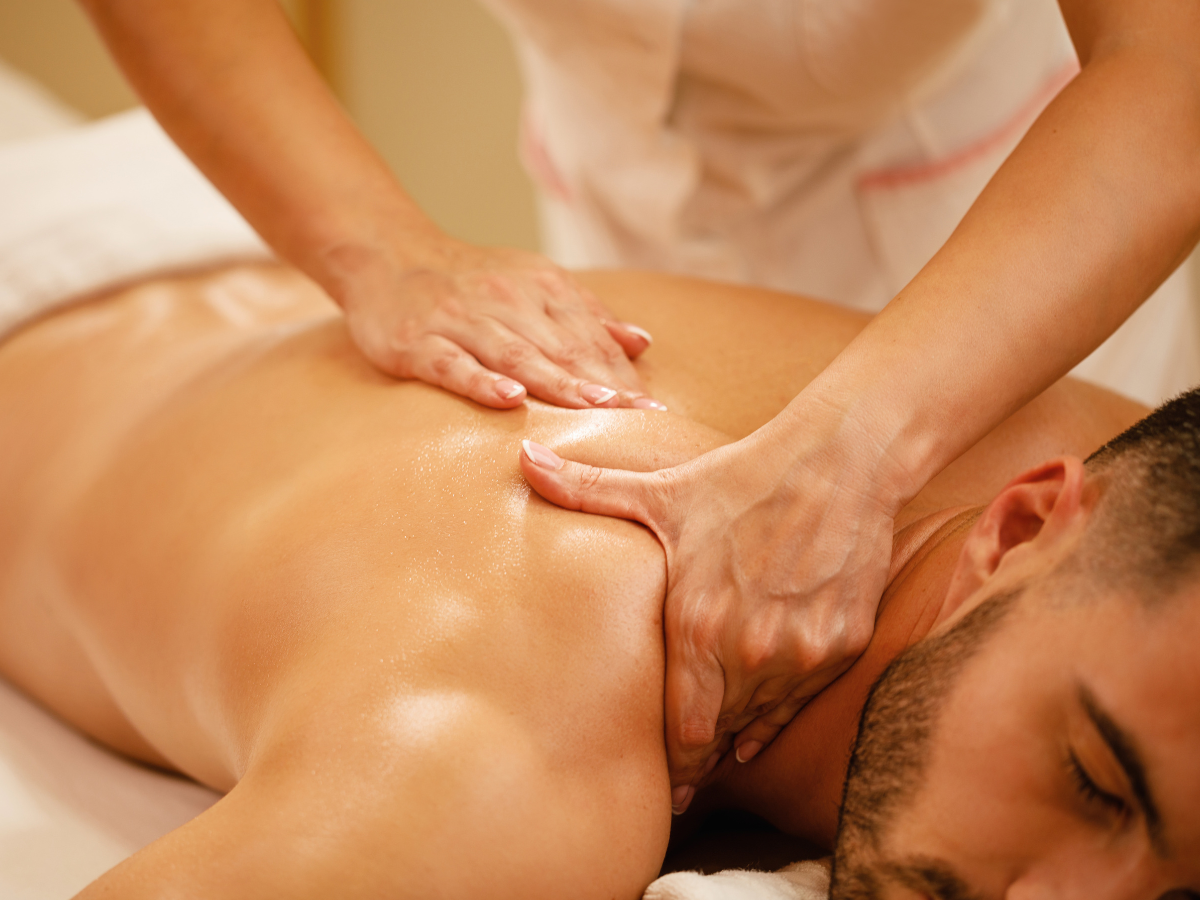
Our bodies carry us through work, exercise, daily responsibilities, and countless routines. When muscles feel tense, or our bodies simply need time to rest, massage therapy can be one option to consider as part of a broader approach to physical well-being. At Knead Foot & Body Massage Studio Marpole, we understand that each person may have different preferences and reasons for seeking a massage. Understanding what massage involves, what we can reasonably expect, and how to choose a qualified massage provider helps us make informed decisions about our care.
Massage is more than simply lying down and receiving hands-on treatment. A thoughtful session considers comfort, the areas we want addressed, the pressure we prefer, and any relevant concerns we should communicate before treatment begins. When we understand these factors, we can approach each appointment with clearer expectations and a more positive experience.
Understanding Massage Therapy and What It Involves
Massage therapy involves hands-on techniques applied to soft tissues such as muscles and other structures of the body. Depending on the type of massage and our individual needs, a session may involve techniques such as kneading, gliding strokes, compression, or sustained pressure.
The experience can vary considerably from one person to another. Someone looking for relaxation may prefer gentler techniques, while another person may want focused work around areas that commonly feel tight after physical activity or long periods of sitting.
A professional massage session should begin with a conversation. We can discuss what we would like from the appointment, identify areas that feel uncomfortable, and share information that may affect how treatment is provided. This communication gives the practitioner a better understanding of our preferences and helps establish appropriate expectations.
Massage should also be comfortable. Some techniques can create a feeling of pressure or mild tenderness, but we should not feel that we have to tolerate excessive discomfort. Speaking up during a session allows the practitioner to adjust pressure, positioning, or technique when necessary.
What Can We Reasonably Expect From a Massage Session?
Knowing what happens before, during, and after an appointment can make the experience more comfortable, particularly if it is our first time receiving a professional massage.
Before the Appointment
Before treatment, we may be asked about our general needs, areas of concern, preferred pressure, and previous experiences with massage. This is an appropriate time to mention anything that could affect our comfort.
We should also be prepared to answer questions honestly. If a particular area is sensitive or we do not want it treated, we can say so. Clear communication is an important part of professional care.
It is also useful to arrive with enough time to settle in rather than rushing directly into the appointment. A few quiet moments can help us transition from a busy schedule into a more relaxed setting.
During the Session
During treatment, the practitioner works with the areas and techniques that have been discussed. We remain in control of our comfort throughout the session and can request adjustments when needed.
Pressure preferences can vary widely. What feels comfortable to one person may feel too firm or too light to another. Rather than assuming that a particular pressure level is appropriate, we can communicate what feels best for us.
The environment matters as well. A professional studio should provide a setting where we can feel comfortable, respected, and at ease throughout the appointment.
After the Session
After a massage, we may notice that the treated areas feel different. Some people describe feeling relaxed, while others may experience temporary tenderness, particularly after deeper or more focused work.
Listening to our bodies after treatment is important. Drinking water, taking time to rest, and avoiding activities that feel unnecessarily strenuous may be reasonable choices depending on how we feel.
We should also remember that massage is not a substitute for medical diagnosis or treatment when we have an underlying health concern. Persistent, severe, or unexplained symptoms deserve appropriate medical attention.
How Different Massage Approaches May Suit Different Needs
There is no single massage style that is right for everyone. Different techniques can provide different experiences, so understanding our reason for booking can help us select an appropriate service.
Relaxation-focused massage may be suitable when our primary goal is to enjoy a calm, restful experience. The techniques are generally intended to provide a soothing session rather than focus heavily on specific areas.
Deep tissue massage uses more focused pressure and may be chosen by people seeking work on areas that feel particularly tight. However, deeper pressure is not automatically better. The appropriate intensity depends on individual comfort and the area being treated.
Foot massage focuses attention on the feet and may be appealing after long periods of standing, walking, or everyday activity. Since our feet handle repeated load throughout the day, giving them dedicated attention can be a pleasant part of a wellness routine.
Body massage can address broader areas of the body and may be selected when we want a more comprehensive session. The practitioner can discuss the available approach based on our preferences and goals.
When choosing between services, we should consider what we actually want from the appointment rather than selecting a treatment simply because it sounds more intensive.
Choosing a Massage Studio With Care
Finding a suitable massage studio involves more than searching for the closest location. We can look at several practical factors before making an appointment.
Professional Standards
Professionalism should be one of our first considerations. We can look for a studio that clearly communicates its services, maintains appropriate hygiene standards, and provides a respectful environment.
Information about the practitioners and their qualifications can also help us understand who will be providing care. Where applicable, we can ask about professional registration, training, and experience.
Cleanliness and Comfort
A clean treatment space contributes to our overall experience. Fresh linens, tidy treatment areas, and good general hygiene are important details that should not be overlooked.
Comfort is equally important. We should feel welcome when we arrive and comfortable communicating our preferences throughout the appointment.
Clear Service Information
A reputable studio should provide understandable information about its available treatments. Descriptions should give us a reasonable idea of what a service involves without making unrealistic promises.
We can also review appointment policies, pricing, session lengths, and any preparation information before booking. Knowing these details in advance helps prevent unnecessary confusion.
Communication
Good communication is one of the strongest signs of thoughtful client care. From the initial consultation through the treatment itself, we should feel comfortable asking questions and discussing our preferences.
A practitioner should listen to what we say rather than assuming that every client needs the same approach. Our comfort and personal circumstances should remain part of the conversation.
Questions We Can Ask Before Booking
If we are unsure whether a particular service is suitable, asking questions beforehand can help us make a more informed choice.
We might ask:
What does this particular massage include?
How long does the session last?
Can the pressure be adjusted during treatment?
Which areas are typically addressed?
What should we expect during a first appointment?
Are there situations where massage may not be appropriate?
Can the practitioner modify the session based on our comfort?
These questions do not need to feel excessive. Professional providers should understand that clients want to know what they are paying for and what their appointment will involve.
We should also be prepared to discuss relevant health information when appropriate. Certain conditions, injuries, medications, or recent procedures may require additional consideration. When there is uncertainty about whether massage is appropriate, speaking with a qualified healthcare professional is a sensible step.
Making Massage Part of a Balanced Wellness Routine
Massage can be one component of a broader approach to physical wellness. It does not need to stand alone.
Regular movement, adequate rest, good nutrition, appropriate hydration, and attention to posture can all contribute to how our bodies feel. For people who spend much of the day sitting, taking movement breaks can be useful. For those who are physically active, appropriate recovery habits can also be important.
We should keep our expectations realistic. Massage may provide relaxation and temporary relief from muscle tension or everyday discomfort, but it should not be presented as a cure for every physical problem.
If discomfort continues or interferes with normal activities, we should seek an appropriate healthcare assessment. Massage can complement professional healthcare in suitable circumstances, but it should not replace necessary medical care.
Making a Thoughtful Choice for Our Well-Being
Choosing a massage studio is ultimately a personal decision. We can consider the type of treatment offered, practitioner experience, communication, cleanliness, comfort, pricing, and whether the service matches our expectations.
Massage therapy can be a practical addition to a personal wellness routine when approached with realistic expectations and appropriate professional care. By paying attention to our bodies, communicating openly, and choosing a provider that takes client comfort seriously, we can make each appointment a more informed and positive part of our self-care routine.
At Knead Foot & Body Massage Studio Marpole, we provide a welcoming setting where we can take time for relaxation and personalized hands-on care. Visit theknead.ca to learn more about our services and schedule an appointment that suits your needs.