
How Foot Massage Therapy Supports Comfort and Well-Being
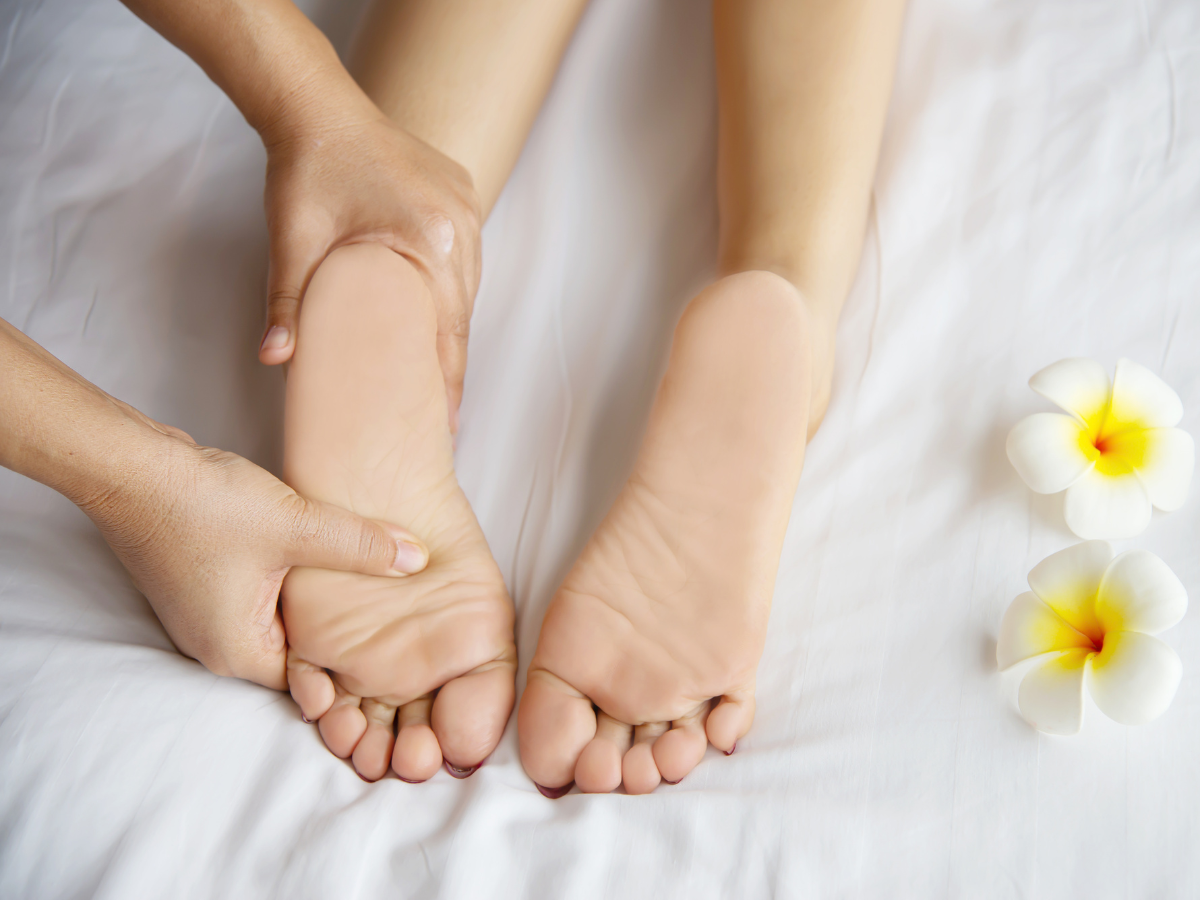
Our feet carry us through nearly every part of daily life. We rely on them when we walk, stand at work, exercise, run errands, and spend time with family and friends. Because they handle so much physical demand, it is reasonable to give them regular attention and care. Foot massage therapy can be one way we support foot comfort while also making time for relaxation.
A massage focused on the feet involves hands-on techniques applied to areas such as the soles, heels, arches, and toes. Depending on our needs, a session may involve gentle pressure, kneading, stretching, and other massage movements. While massage can feel soothing, it is important to view it as a complementary wellness practice rather than a treatment for every foot or medical problem.
At Knead Foot & Body Massage Studio Marpole, we believe massage should be approached with care, professionalism, and attention to individual comfort. Understanding what a foot massage involves, what we may reasonably expect from a session, and when professional medical advice is more appropriate can help us make informed choices about our wellness routines.
How Foot Massage Therapy May Support Our Feet
Foot massage therapy focuses on the soft tissues of the feet and may also include areas around the ankles and lower legs. Massage techniques can encourage relaxation of muscles and soft tissues while providing a pleasant sensory experience.
Many of us spend long periods standing or walking throughout the day. Others spend much of the day sitting, which can also contribute to stiffness and a feeling of heaviness in the lower body. Taking time for a professional massage can provide a dedicated period when we can pause, relax, and pay attention to how our bodies feel.
Massage may also help us become more aware of areas that feel tense or uncomfortable. This awareness can encourage us to consider other healthy habits, such as wearing comfortable footwear, taking movement breaks, stretching appropriately, and maintaining regular physical activity.
It is important, however, to keep expectations realistic. Massage does not replace medical diagnosis or treatment, and persistent or severe foot symptoms should be assessed by an appropriate healthcare professional.
Why Our Feet Can Feel Tired
Our feet experience repeated mechanical stress throughout the day. Every step places demands on muscles, connective tissues, joints, and other structures involved in movement and balance.
Standing for extended periods can leave the feet feeling tired, particularly when we are working on hard surfaces or wearing footwear that does not provide adequate comfort. Long walks, running, sports, and other activities can also increase the physical workload placed on the feet.
Our everyday habits matter as well. Wearing poorly fitting shoes, spending little time moving during the day, or suddenly increasing physical activity can affect how our feet feel.
When our feet feel tired after normal daily activity, gentle massage may be a comfortable addition to a broader self-care routine. We can also support foot comfort by choosing appropriate footwear, allowing adequate recovery after strenuous activity, and gradually building up new physical activities.
What We May Experience During a Foot Massage
A professional foot massage session can vary depending on the studio, massage approach, and individual preferences. Before beginning, we can communicate information about pressure, areas of concern, and anything that may affect our comfort during the session.
The massage may begin with gentle movements before gradually incorporating techniques such as kneading or targeted pressure. The practitioner may work across different areas of the foot rather than concentrating on one location throughout the entire session.
Communication is an important part of a comfortable experience. If pressure feels too strong, too light, or uncomfortable, we should speak up. A professional practitioner can adjust techniques based on appropriate client feedback.
We should also remember that massage should generally feel comfortable. Some pressure may be noticeable, especially when working on areas that feel tense, but significant or sharp pain is not something we need to tolerate during a session.
Choosing the Right Massage Approach
Not every foot massage session needs to look the same. Our needs can vary depending on our daily activities, comfort preferences, and reasons for booking a massage.
Some of us may simply want a relaxing experience after a demanding week. Others may spend much of their working day on their feet and prefer focused attention on areas that feel tired. Someone who regularly exercises may have different preferences from someone whose daily routine involves mostly sitting.
Before a session, we can consider what we want from the experience. Do we want gentle relaxation? Would we prefer more focused work on areas that feel tense? Are there particular areas we want the practitioner to avoid?
Sharing this information helps create a more appropriate experience. We should also provide relevant information about injuries, recent procedures, health concerns, or other circumstances that could affect whether massage is suitable.
The Importance of Professional Care
Choosing a professional massage studio gives us an opportunity to receive care in a setting where client comfort and appropriate practice are important considerations.
A good massage experience involves more than technique. Cleanliness, communication, respectful treatment, appropriate boundaries, and attention to individual needs all contribute to a positive session.
We can also look for practitioners who take time to understand what we want from the appointment rather than applying exactly the same approach to every client. Clear communication before and during a massage helps us feel more comfortable and gives the practitioner useful information.
Professional massage should also recognize its limits. A massage practitioner is not a substitute for a physician, podiatrist, physiotherapist, or other healthcare professional when a medical assessment is needed.
When We Should Seek Medical Advice
Massage can be suitable for general relaxation and wellness, but there are circumstances where we should seek professional medical advice first.
We should be particularly cautious if we have significant swelling, unexplained or persistent pain, a serious or recent injury, signs of infection, an open wound, unusual skin changes, or symptoms that are getting worse rather than improving.
Certain medical conditions and medications may also affect whether massage is appropriate. When we are uncertain, discussing our circumstances with a qualified healthcare professional can help us determine what type of care is suitable.
This approach does not mean we need to avoid massage altogether. Instead, it helps us make decisions based on our individual circumstances and prevents us from using massage as a substitute for necessary medical care.
How We Can Care for Our Feet Between Sessions
A massage appointment is only one part of maintaining comfortable, healthy feet. Our everyday habits can also make a meaningful difference.
We can start by choosing footwear that fits properly and provides appropriate support for our activities. Shoes that are too tight or uncomfortable can make everyday movement more difficult and may contribute to irritation.
Regular movement is also important. If we spend many hours sitting, taking short movement breaks can help us avoid remaining in one position for extended periods. If our work requires prolonged standing, changing positions and taking suitable breaks can provide opportunities for recovery.
Gentle stretching may also be useful for some people, particularly when incorporated into a broader physical activity routine. We should choose activities that match our abilities and avoid pushing through significant pain.
Basic foot care matters too. Keeping our feet clean and dry, paying attention to skin changes, and maintaining appropriate nail care can support general foot health.
Making Massage Part of a Balanced Wellness Routine
We do not need to wait until our feet feel exhausted before making time for self-care. Regular attention to our physical comfort can become a practical part of maintaining a healthy routine.
For some people, an occasional massage may be enough to provide a relaxing break. Others may prefer to schedule sessions as part of their regular wellness habits. The right frequency depends on personal preferences, activities, budget, and individual circumstances.
We can also combine massage with other healthy practices. Regular physical activity, adequate rest, nutritious meals, hydration, comfortable footwear, and appropriate recovery all contribute to overall well-being.
The key is balance. Massage can be enjoyable and supportive, but it works best as one component of a broader approach to caring for ourselves.
Making a Thoughtful Choice for Foot Comfort
Our feet deserve regular care, especially when daily activities leave them feeling tired or tense. Foot massage therapy can be a relaxing addition to a balanced wellness routine when provided with appropriate care and realistic expectations.
At Knead Foot & Body Massage Studio Marpole, we can make time for comfortable, relaxing care that supports our overall sense of well-being. Taking a little time to care for our feet can be a simple and positive step toward feeling more refreshed.
Ready to give your feet some well-deserved attention? Visit theknead.ca to learn more and book a session.