
How a Registered Massage Therapist Can Help With Muscle Tension
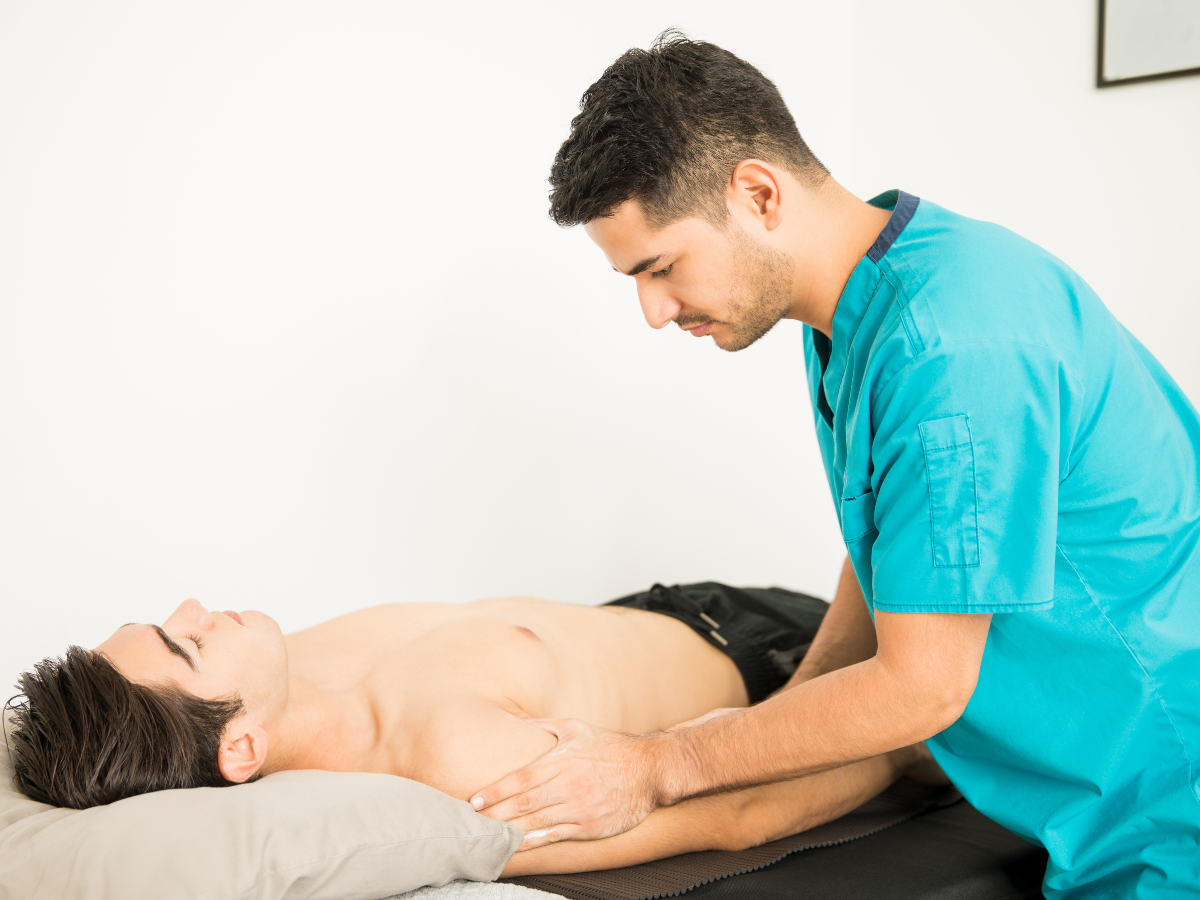
Muscle tension can become part of our everyday lives. Long hours at a desk, repetitive movements, physically demanding work, exercise, and other daily activities can leave different areas of our bodies feeling tight, tired, or uncomfortable. When we want professional support for these concerns, a registered massage therapist can assess our needs and provide massage therapy based on our individual circumstances.
At Knead Foot & Body Massage Studio Marpole, we understand that our bodies can respond differently to everyday physical demands. Rather than assuming that everyone needs the same type of massage, we take the time to understand each client's concerns and provide an appropriate approach. Knowing what to expect from massage therapy can help us communicate our needs and make informed decisions about our care.
Muscle tension can also vary throughout the day or in response to our activities. We may feel comfortable in the morning and notice tightness after several hours of work, or experience muscular fatigue after physical activity. Paying attention to these patterns can give us useful information to discuss during an appointment.
How a Registered Massage Therapist Approaches Muscle Tension
A registered massage therapist has professional training in areas such as anatomy, physiology, pathology, and massage therapy techniques. This education provides a foundation for assessing a client's concerns and determining an appropriate approach to treatment.
Muscle tension can occur alongside many everyday activities. We may notice tightness after sitting for extended periods, performing repetitive tasks, exercising, or spending a long day on our feet. The location and intensity of tension can vary from person to person.
During an appointment, we can explain where we notice tension, how it feels, and whether particular activities seem to affect it. We can also explain whether the sensation is occasional or something we notice regularly. This information gives the therapist useful context when assessing our needs.
Massage therapy is not simply about applying pressure to an area that feels tight. The therapist considers the information we provide and their assessment when deciding how to approach the session.
We can also discuss our expectations before treatment begins. For example, we may want to focus on a particular area or explain that we prefer a certain level of pressure. Having this conversation helps establish a clearer understanding between us and our therapist.
How Everyday Activities Can Contribute to Muscle Tension
Our daily activities can place different demands on our muscles. Sitting at a desk for long periods, performing repetitive tasks, lifting or carrying objects, standing for extended periods, and exercising can all affect how our bodies feel.
Muscle tension may become more noticeable during an activity or afterward. For example, we may notice tightness after spending several hours at a computer or muscular fatigue following physical work or exercise. The location and intensity can vary depending on the activity and the individual.
These patterns can provide useful information during a massage appointment. We can tell our therapist what activities we regularly perform, where we notice tension, and whether certain movements or routines seem to affect how we feel.
We do not need to determine the exact cause of the tension ourselves. Instead, describing our daily activities and any changes in our routine gives the therapist relevant information to consider as part of the assessment.
If our activity level or routine has recently changed, such as starting a new exercise program or taking on more physically demanding work, we can mention this during the appointment as well.
What We Can Discuss During an Appointment
Clear communication helps our therapist understand our concerns and preferences. Before treatment begins, we can explain where we notice muscle tension, when it occurs, and what activities may affect it.
We should also share relevant information that could influence how treatment is approached, such as recent injuries, surgeries, sensitive areas, or changes in our physical condition.
During the session, we can provide feedback about pressure and comfort. If the pressure feels too strong, uncomfortable, or different from what we expected, we can ask for an adjustment. We may also prefer different pressure levels for different areas.
Rather than trying to determine the cause of our symptoms ourselves, we can describe what we are experiencing and allow the therapist to consider this information alongside their professional assessment. Open communication helps ensure that our preferences and concerns are understood throughout the appointment.
How Massage Techniques May Be Selected
Massage therapy can involve different techniques depending on the areas being addressed, the client's needs, preferences, and the therapist's professional assessment. The approach may vary from one person or appointment to another.
Depending on the circumstances, massage may include techniques such as Swedish massage, deep tissue massage, myofascial techniques, or trigger point work. We do not need to determine which technique is right for us before an appointment. Instead, we can describe our concerns, identify areas of tension, and discuss our preferences with the therapist.
For example, someone experiencing general muscle tightness may have different needs from someone whose concerns are related to regular physical activity. The therapist can consider the information discussed during the appointment when selecting an appropriate approach.
We can also communicate our expectations about pressure and treatment focus. This gives the therapist a clearer understanding of our preferences and helps keep the session focused on our individual needs.
Massage Therapy and Physical Activity
Physical activities such as walking, recreational sports, strength training, and fitness classes can place different demands on our muscles. After exercise or other strenuous activities, we may notice temporary muscle tightness or fatigue.
Sharing information about our physical activity can give our therapist useful context during the assessment. We can mention the activities we perform, how often we participate in them, and whether we notice tension after particular movements or workouts.
Our activity levels can also change over time. Starting a new exercise routine, increasing workout frequency, or taking on more demanding physical activities may affect how our muscles feel. Mentioning these changes can help our therapist understand our current concerns and preferences.
Sports massage may be an option for clients whose massage needs are related to physical activity. The appropriate approach will depend on the individual's circumstances and the therapist's assessment.
Massage therapy should not replace medical assessment for significant injuries or concerning symptoms. If discomfort is severe, persistent, unexplained, or accompanied by other concerning symptoms, we should seek advice from an appropriate healthcare professional.
Why Individualized Treatment Matters
Our daily routines, physical activities, areas of tension, and treatment preferences can differ from person to person. An individualized approach allows massage therapy to be considered in the context of these differences rather than applying the same approach to everyone.
For example, someone who spends much of the day sitting may have different concerns from someone whose work involves lifting, carrying, or other physical tasks. Someone who exercises regularly may also have different priorities from someone seeking massage primarily for relaxation.
During an appointment, we can explain which areas feel tense, what activities may be associated with these sensations, and what we would like to focus on. Our needs may also change over time as our routines, activity levels, or physical concerns change.
Discussing these details with our therapist provides relevant information to consider when planning the session and helps ensure that our preferences are understood.
When We Should Seek Additional Professional Advice
Massage therapy may be suitable for some forms of everyday muscle tension, but not every physical symptom should be addressed through massage. If we experience severe, persistent, unexplained, or unusual symptoms, it is important to seek advice from an appropriate healthcare professional.
We should also inform our therapist about relevant injuries, recent surgeries, or changes in our physical condition before treatment. This information can help determine whether massage therapy is appropriate and whether any adjustments may be needed.
If we are unsure whether massage is suitable for a particular concern, we can discuss our symptoms and ask questions before treatment begins. When a concern requires medical assessment, seeking advice from a qualified healthcare professional can help us determine the appropriate next step.
Keeping our therapist informed about significant changes in how we feel also helps keep the massage appointment within its appropriate professional role.
Professional Massage Care in Marpole
Everyday muscle tension can be associated with many aspects of our routines, including prolonged sitting, repetitive activities, physical work, and exercise. Paying attention to these patterns and communicating them clearly can help us have a more productive conversation with our massage therapist.
A registered massage therapist can assess our concerns, discuss our goals, and provide massage therapy based on our individual circumstances. We can support this process by sharing relevant information, communicating our preferences, and providing feedback about our comfort during treatment.
At Knead Foot & Body Massage Studio Marpole, we provide RMT services alongside other massage options in a professional and welcoming setting. If we are considering massage therapy for everyday muscle tension, we can visit https://www.theknead.ca/ to learn more about our services and appointments.