
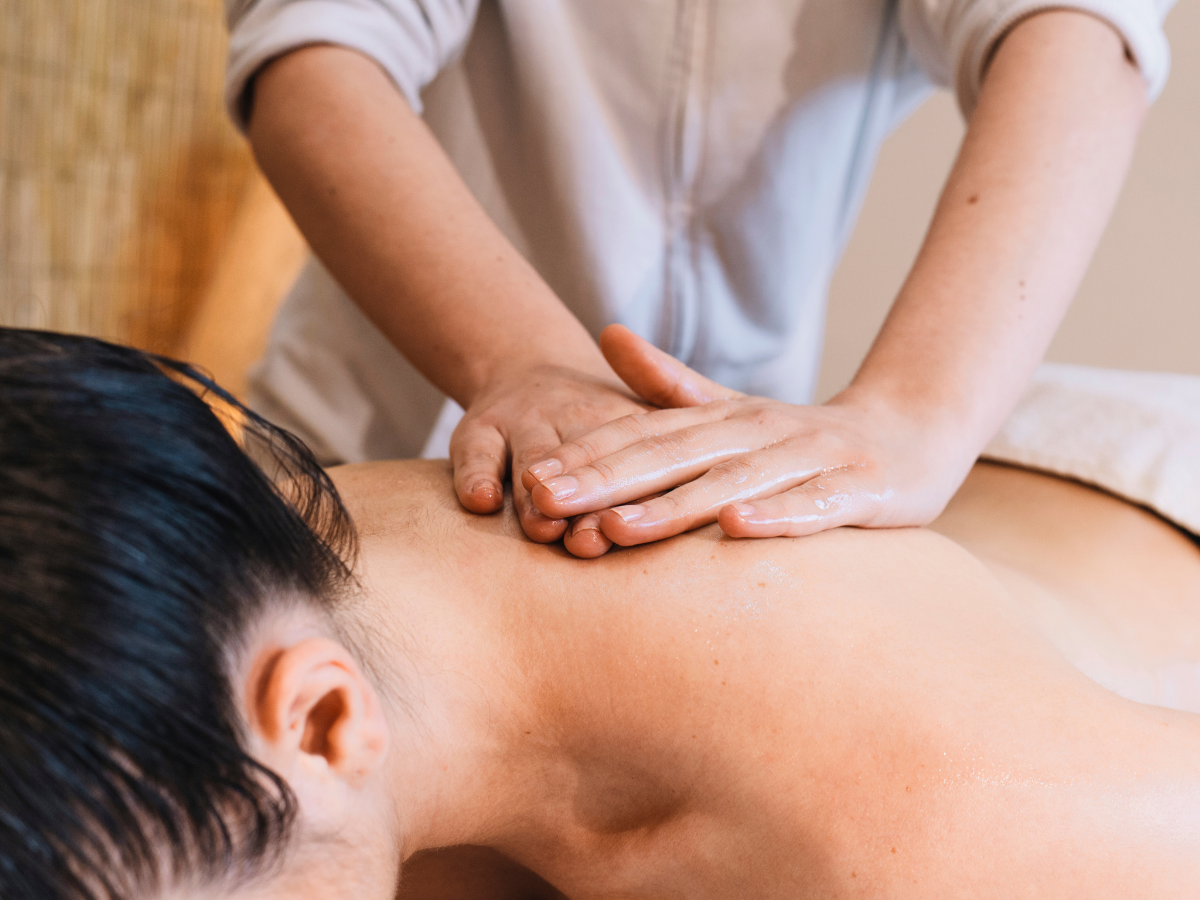
Our bodies work hard every day. From sitting at a desk and commuting to walking, exercising, and managing household responsibilities, daily activities can leave us feeling tired, stiff, or tense. Taking time to care for our physical well-being helps us recognize when we need rest. Massage therapy can be a valuable part of that routine, offering an opportunity to relax, ease muscular tension, and focus on personal comfort.
At Knead Foot & Body Massage Studio Marpole, we believe that caring for our bodies should feel approachable and enjoyable. We offer massage and wellness services for people seeking relaxation and focused attention on areas of tension. Understanding the available treatments and knowing what to expect can help us make informed decisions about our massage experience.
How Massage Therapy Supports Everyday Well-Being
Massage therapy involves working with the body's soft tissues through techniques such as applying pressure, kneading muscles, and using controlled movements. Depending on the approach, a session may focus on relaxation or areas of muscular tension.
One reason people seek massage is to feel more comfortable in their bodies. Sitting for extended periods, performing repetitive movements, or spending long hours on our feet can contribute to muscle tightness and fatigue. A suitable massage session may help relieve some muscular discomfort while providing time to rest.
Relaxation is another important consideration. When our schedules become demanding, we may spend much of the day concentrating on responsibilities without noticing how much tension we are carrying. A calm treatment environment and comfortable touch can help us slow down and take a break from those demands.
Massage may also complement other healthy habits, including regular physical activity and sufficient sleep. However, it is not a replacement for medical assessment or treatment when pain or other symptoms require professional attention.
Understanding Different Massage Treatments
Massage includes different techniques and approaches. Understanding their purposes can help us choose a treatment that suits our preferences and expectations.
Relaxation Massage
Relaxation massage focuses on creating a calming experience through comfortable, flowing movements and pressure suited to the client's preferences.
This option may appeal to people who want a break from busy schedules, feel physically tired after work, or simply enjoy setting aside time for themselves. It provides an opportunity to rest in a comfortable setting without the demands of daily responsibilities.
Communication is important throughout the session. We can let our therapist know whether we prefer lighter or firmer pressure and ask for adjustments whenever necessary.
Deep Tissue Massage
Deep tissue massage uses more focused pressure to address areas of muscular tension. Depending on the person's needs, techniques may involve slower movements and sustained pressure on specific areas.
People experiencing muscular tightness associated with physical activity or prolonged periods in the same position may consider this approach. However, deeper pressure is not automatically more effective, and a massage should not cause significant pain.
Our comfort, health history, and individual tolerance should guide the choice of technique. We should always communicate if the pressure feels uncomfortable.
Foot Reflexology
Our feet support us throughout the day, making foot care an important consideration for people who stand or walk frequently. Foot reflexology is a practice that applies pressure to particular areas of the feet according to traditional reflexology principles.
Many people enjoy this treatment because it gives focused attention to an often-overlooked part of the body. A foot-focused session can provide a relaxing experience after a long day spent on our feet.
It is important to distinguish relaxation from established medical benefits. Scientific evidence does not firmly establish claims that reflexology can diagnose or treat conditions affecting internal organs. We can appreciate the relaxing aspects of a foot treatment without treating it as a substitute for appropriate healthcare.
Recognizing When We May Benefit From a Massage
We do not always notice physical tension as it develops. Sometimes, it appears gradually through small changes in how we feel throughout the day.
We might notice tight shoulders after working at a computer, tired feet after standing for several hours, or muscular stiffness after a demanding day. At other times, we may simply feel mentally drained and want an opportunity to relax.
Recognizing these experiences can help us decide whether a massage may suit our needs.
Before booking, we can consider what we hope to get from the session. Are we looking for general relaxation, attention to a particular area of muscular tension, or a treatment focused on our feet? Identifying our priorities gives us a helpful starting point when discussing available services.
However, persistent, unexplained, or worsening pain should not be managed through massage alone. Seeking appropriate medical advice can help identify the cause and determine what care is suitable.
What to Consider Before Booking a Massage
Choosing a suitable treatment begins with understanding our preferences and communicating them clearly. A little preparation can help us feel more comfortable before an appointment.
Identify your main goal. Consider whether you want a relaxing experience, focused attention on muscular tension, or a foot-focused treatment. Having a clear goal helps you discuss your preferences with the therapist.
Consider your pressure preferences. Some people prefer gentle movements, while others are comfortable with firmer pressure. Neither preference is inherently better. The appropriate intensity depends on your comfort and individual circumstances.
Share relevant health information. Before treatment, tell your therapist about existing injuries, recent procedures, relevant health conditions, or medications that may affect bruising or bleeding. Certain circumstances may require changes to the treatment, medical advice, or postponing the appointment.
Check the therapist's qualifications. When seeking registered massage therapy in British Columbia, verify the practitioner's registration with the College of Complementary Health Professionals of British Columbia, which regulates registered massage therapists in the province. You can also ask about the practitioner's experience and the techniques relevant to your needs.
Understand the appointment details. Review the session length, service description, fees, and cancellation policy before booking. Knowing what to expect can make the experience more straightforward.
These considerations help us approach massage with realistic expectations and greater confidence.
Why Communication Matters During a Massage
A positive massage experience depends on more than the techniques used. Feeling comfortable enough to communicate openly is equally important.
At the beginning of a session, we should have an opportunity to discuss our goals, areas of concern, and pressure preferences. This conversation helps the therapist understand what we are looking for and identify any considerations that may affect the treatment.
Communication should continue throughout the appointment. If the pressure feels too strong, a movement is uncomfortable, or we would prefer less attention on a particular area, we can speak up. We should never feel obligated to tolerate pain or remain silent about discomfort.
We can also ask questions if we are unsure about a technique or how the session will proceed. A professional should explain relevant details clearly and respect our boundaries.
After the appointment, we can pay attention to how we feel. Some people experience relaxation or mild muscular tenderness, depending on the techniques used. Significant pain, unusual swelling, or symptoms that concern us should not be ignored.
Open communication helps ensure that the session respects our comfort and individual preferences.
Making Massage Part of Our Wellness Routine
Massage can be one way to make time for relaxation and physical comfort. How often we book a session depends on our preferences, budget, activity levels, and individual response to treatment.
Some people prefer occasional appointments when they feel particularly tense, while others enjoy scheduling sessions as part of their regular wellness routine. There is no single schedule that everyone needs to follow.
It is also important to keep expectations realistic. Massage may help some people manage muscular discomfort or experience temporary relief from tension, but results vary. It should not be viewed as the only solution for recurring pain or as a substitute for medical care when needed.
By choosing an appropriate treatment and communicating our needs, we can make informed decisions about whether massage fits our personal wellness routine.
Enjoy a Relaxing Massage Experience
Taking time for ourselves can be difficult when everyday responsibilities fill our schedules. Yet setting aside time to rest and focus on personal comfort can be a meaningful part of our routine.
At Knead Foot & Body Massage Studio Marpole, we welcome clients looking for a massage experience suited to their preferences. Whether we are seeking relaxation or a foot-focused treatment, understanding our options helps us choose a service that meets our expectations.
We encourage clients to communicate openly, share relevant health information, and choose treatments that reflect their individual needs. Our aim is to provide a comfortable setting where people can take a break from their busy days.
Massage therapy can be a useful addition to a balanced approach to personal well-being when chosen appropriately. By listening to our bodies and making informed decisions about our care, we can give ourselves more opportunities to relax and enjoy everyday comfort. Visit https://www.theknead.ca/ to learn more about the available services.