
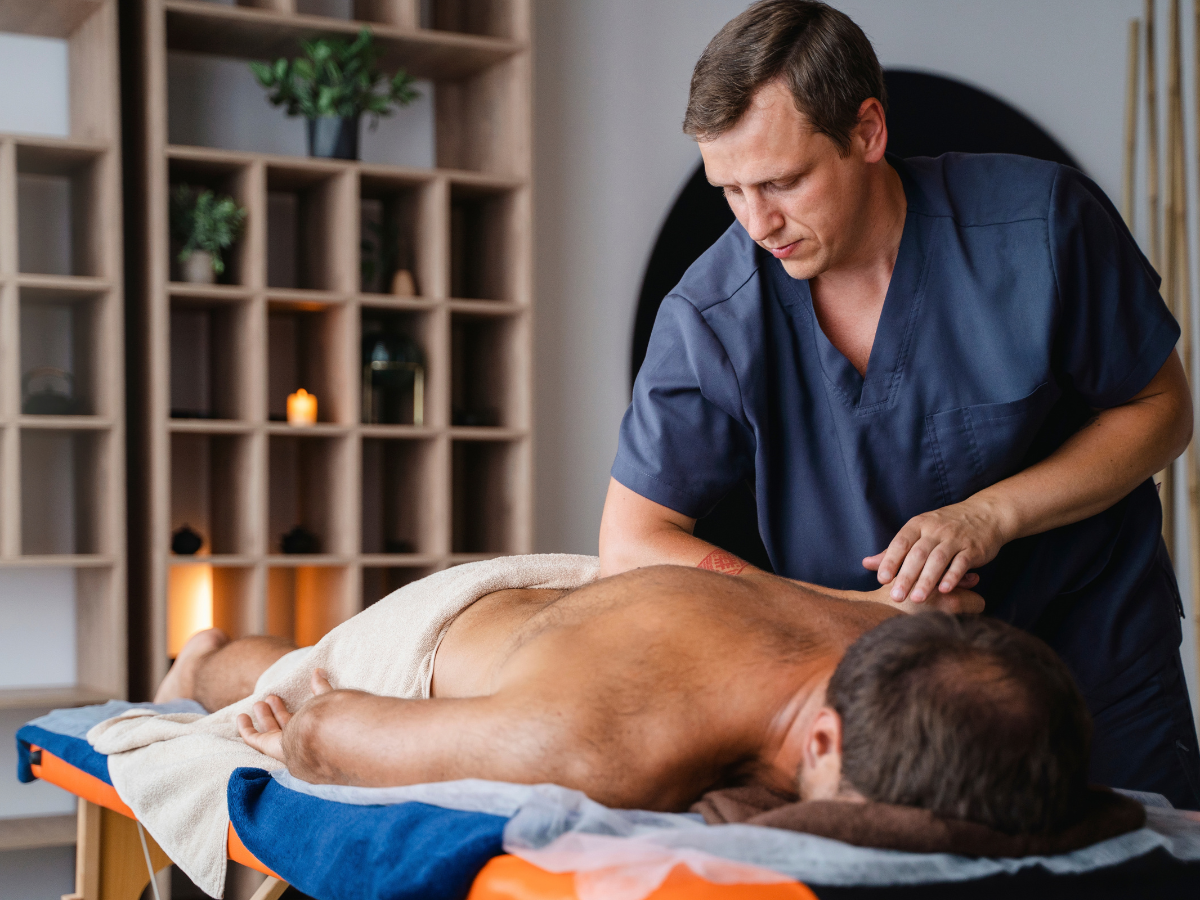
Our bodies work hard every day. From sitting at a desk and commuting to exercising, standing for long periods, and managing daily responsibilities, we place regular demands on our muscles and joints. These activities may contribute to muscle tightness, soreness, and physical discomfort. Working with a registered massage therapist may help us manage certain symptoms while making time for personal wellness.
At Knead Foot & Body Massage Studio Marpole, we recognize the importance of taking time to care for our bodies. Massage therapy provides an opportunity to focus on physical comfort and receive hands-on care suited to individual needs. Whether we want to address everyday muscle tension or enjoy a relaxing break from a demanding schedule, understanding what massage therapy involves can help us make informed decisions about our care.
In this article, we discuss how massage therapy may support physical comfort, what to expect during an appointment, and how to choose a qualified practitioner.
Why Choose a Registered Massage Therapist?
Choosing a registered massage therapist allows you to seek care from a practitioner who meets the applicable professional registration requirements. In British Columbia, registered massage therapists are regulated health professionals who must meet provincial requirements for education, examination, and registration.
Professional massage therapy involves more than applying pressure to tight muscles. It requires knowledge of anatomy, soft tissues, appropriate treatment techniques, and the importance of adapting care to each person's circumstances.
Every individual has different needs. One person may experience shoulder tension after working at a computer, while another may notice sore legs after spending the day standing. A personalized approach considers these differences and helps guide decisions about suitable techniques, pressure, and areas of focus.
Before treatment begins, a practitioner may ask about your health history, current symptoms, daily activities, and treatment goals. Clear communication allows us to explain our concerns, ask questions, and share our preferences throughout the appointment.
How Massage Therapy May Support Physical Comfort
Massage therapy uses hands-on techniques applied to muscles and other soft tissues. Depending on our needs and the practitioner's assessment, treatment may involve gentle or firmer pressure, kneading, and other manual techniques.
People seek massage therapy for different reasons, including muscle tension, soreness, and relaxation. The effects vary depending on the individual, the nature of the symptoms, and the treatment provided.
Addressing Muscle Tension
Muscle tension can develop in different parts of the body. The neck, shoulders, back, and legs are common areas where people notice tightness after long periods of sitting, standing, repetitive movements, or physical activity.
Massage therapy may help some people experience short-term relief from muscle discomfort. A practitioner can focus on areas of concern while considering your comfort, health history, and reasons for seeking treatment.
However, muscle discomfort can have several causes. Massage does not necessarily address the underlying cause of every problem. If pain is persistent, severe, unexplained, or getting worse, we should seek an appropriate medical assessment.
Supporting Relaxation and Comfortable Movement
When our muscles feel tight, everyday movements may become less comfortable. Some people experience temporary improvements in perceived stiffness and ease of movement after massage.
A massage appointment can also provide an opportunity to step away from daily responsibilities. The hands-on treatment and quiet setting may help us relax during and after a session.
Results vary, and massage should not be considered a guaranteed solution for restricted movement, an underlying injury, or ongoing health concerns. If stress or physical discomfort begins to interfere with daily life, additional support from an appropriate healthcare professional may be beneficial.
What to Expect During a Massage Therapy Appointment
Understanding what happens during an appointment can help us feel more comfortable, particularly if we are new to massage therapy.
Discussing Our Needs and Health History
An appointment may begin with questions about our health history, current symptoms, daily activities, and treatment goals. We should share relevant information about injuries, ongoing pain, medical conditions, medications, and previous treatment.
This conversation helps the practitioner consider whether massage is appropriate and whether any precautions or modifications are needed. We can also explain which areas feel uncomfortable and whether we have preferences regarding pressure.
Receiving Personalized Treatment
Based on the information we provide, the practitioner can discuss an appropriate treatment approach. The techniques used may vary depending on whether our priority is relaxation, muscle tension, or a particular area of discomfort.
Not every technique is suitable for every person. Treatment should account for individual tolerance, health considerations, and areas that need to be avoided or approached carefully.
We should have an opportunity to ask questions and understand the proposed approach before treatment begins.
Communicating Throughout the Session
Comfort and consent remain important throughout the appointment. We can speak up if the pressure feels too strong, if a position is uncomfortable, or if we need a pause.
Massage does not need to be painful to be useful. Stronger pressure is not automatically more effective, and we should never feel obligated to tolerate unnecessary discomfort.
Clear communication about pressure, positioning, and personal boundaries supports a respectful treatment experience.
How to Choose the Right Massage Therapist
Choosing a suitable practitioner involves considering professional qualifications, experience, and communication.
Check Professional Registration
In British Columbia, registered massage therapists are regulated by the College of Complementary Health Professionals of BC (CCHPBC). Before booking an appointment, we can check the regulator's official online registry to verify a practitioner's registration status.
We can also visit the official website to learn more about available massage therapy services and appointment options.
Checking professional registration and reviewing service information can help us make an informed decision when choosing massage therapy care.
Consider Experience and Communication
Our reasons for seeking massage may influence which practitioner we choose. If we regularly experience discomfort associated with desk work, physical activity, or prolonged standing, we can ask whether the practitioner has experience working with similar concerns.
A responsible practitioner should explain what massage may help with, discuss its limitations, and recognize when another type of assessment or care may be more appropriate.
We should also feel comfortable discussing our symptoms, asking questions, and sharing feedback during treatment. The practitioner should listen to our concerns, explain the proposed approach, and obtain our consent.
Important Safety Considerations Before Massage
Massage therapy may be suitable for many people, but certain symptoms and health conditions require additional precautions.
Before treatment, we should inform our practitioner about recent injuries, unexplained swelling, fever, skin infections, unusual bruising, changes in sensation, and significant health concerns. Depending on the circumstances, massage may need to be modified, postponed, or avoided.
People who are pregnant, recovering from surgery, taking medications that affect bleeding, or managing certain medical conditions may require an individualized assessment before receiving particular techniques. We should discuss relevant concerns with our healthcare provider and massage therapist before proceeding.
We should seek prompt medical attention for symptoms such as sudden severe pain, chest pain, difficulty breathing, or new neurological changes rather than attempting to manage them with massage.
Massage therapy can support comfort in appropriate circumstances, but it does not replace medical diagnosis or treatment.
Supporting Our Well-Being With Professional Massage Care
Our daily routines place repeated demands on our bodies, making physical comfort and recovery important parts of personal wellness. Massage therapy offers a hands-on approach that may help with certain types of muscle tension, perceived stiffness, and relaxation when provided appropriately.
At Knead Foot & Body Massage Studio Marpole, we recognize the value of taking time for care that considers individual preferences and everyday demands. By understanding what massage therapy can offer, communicating our needs, and maintaining realistic expectations, we can make informed decisions about incorporating treatment into our routines.
Choosing a registered massage therapist is an important starting point for people seeking professional massage care in British Columbia. When we choose a qualified practitioner, communicate openly, and seek medical advice when needed, we can take a thoughtful approach to our physical comfort and overall well-being.
When we are ready to make time for relaxation and physical care, we can learn more about the available services at https://www.theknead.ca/ and find an option that suits our needs.